
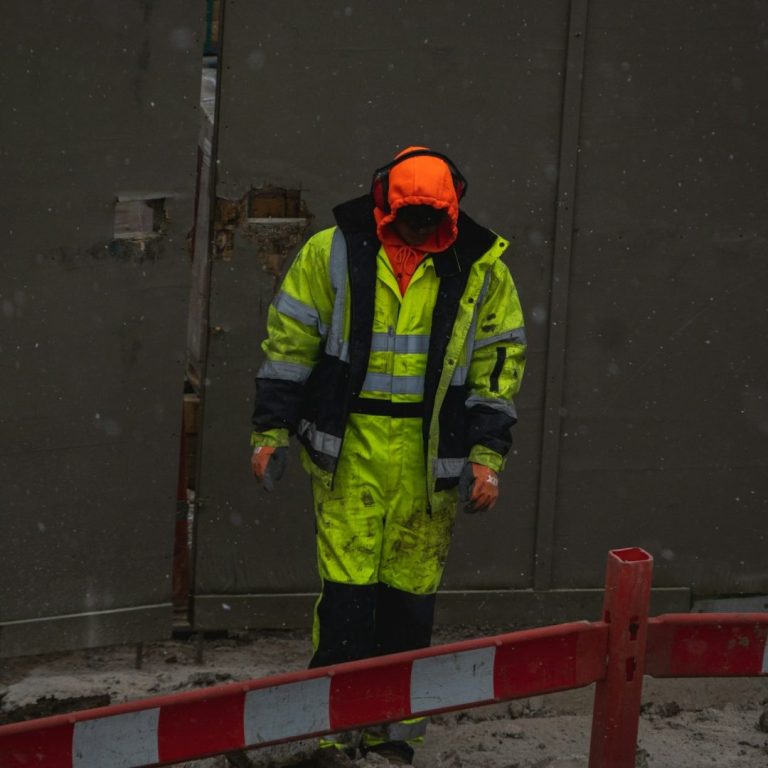
Building People - Breaking the Stigma
Mental health is a silent killer in the construction industry. Despite the tough exterior often associated with construction workers, many are battling internal struggles that go unnoticed and unaddressed. The stigma surrounding mental health in construction needs to be dismantled, and open conversations must be encouraged.
Construction workers face unique challenges that can significantly impact their mental health. Long hours, physically demanding work, job insecurity, and a culture that often values toughness over vulnerability contribute to high levels of stress, anxiety, and depression. According to recent studies, the suicide rate among construction workers is significantly higher than the national average, highlighting the urgent need for change.
The stigma surrounding mental health in construction is a major barrier to seeking help. Many workers fear being perceived as weak or unfit for the job if they admit to struggling. This culture of silence can have devastating consequences. It's crucial to create an environment where workers feel safe to speak up and get support without fear of judgment.
I've worked onsite - been manhandled, threatened and chased payments, worked in sales and had the pressures associated with bringing in the orders. I've faced down depression, anxiety, PTSD, imposter syndrome, and have been (late) diagnosed with ADHD. I went as far as planning and obtaining the means to end my life. Through my experiences, I've discovered clarity and strategies to manage my mental health.
Statistics on Mental Health in Construction
Approximately 65% of construction workers experience mental health issues due to job stress [1].
The construction industry has one of the highest suicide rates among all sectors, with a rate of 53.3 deaths per 100,000 workers [1].
Construction workers are disproportionately prone to substance abuse, with 3.2% abusing prescription opioids compared to 2% of the general population [2].
Around 45% of construction workers have not accessed mental health support due to stigma [1].
Women in construction are 30% more likely to report mental health issues than men [1].
Creating a Supportive Environment
Regular training sessions and workshops can help educate workers about mental health and the importance of seeking help.
Encourage open discussions about mental health. Leaders should lead by example, sharing their own experiences and showing vulnerability.
Ensure that workers have access to mental health resources, such as counselling services and support groups.
Establish peer support networks where workers can share their experiences and support each other.
Mental health is at a critical point in the construction industry that cannot be ignored. By breaking down the stigma and fostering a culture of openness and support, we can save lives and improve the well-being of countless workers. Let's work together to create a safer, healthier environment for everyone in the industry.
Feel free to reach out if you'd like to discuss this further or if you have any questions about my journey. Together, we can make a difference.
References
[1] Construction Mental Health Statistics Statistics: Market Data Report 2025
[2] Mental health and suicide prevention in construction [STATS]